Arrhythmia Detection: How Doctors and Devices Identify Irregular Heart Rhythms



Arrhythmias—irregular heart rhythms—can be difficult to detect because they often come and go. Some are brief and symptomless, while others may cause palpitations, dizziness, or fainting that prompt a visit to the doctor. This intermittent nature means that arrhythmia detection depends heavily on when and how a rhythm is recorded.
Today, identifying arrhythmias relies on three main approaches: in-office clinical testing (EKG/ECG), prescribed long-term monitoring, and over-the-counter at-home monitors. Together, these methods provide a comprehensive picture of how to detect arrhythmias and help ensure that they don’t go unnoticed.
Identifying Arrhythmias in the Clinic
When patients experience possible symptoms of an irregular rhythm, doctors typically begin assessing with a detailed history and basic evaluation. Common symptoms1 that may lead to further testing include:
- Fluttering or pounding heartbeat (palpitations)
- Shortness of breath
- Dizziness
- Lightheadedness
- Fatigue
Doctors also consider the type of arrhythmia—whether it’s a fast rhythm (tachycardia), slow rhythm (bradycardia), or irregular rhythm (like atrial fibrillation or AFib).
Electrocardiogram: The Gold Standard
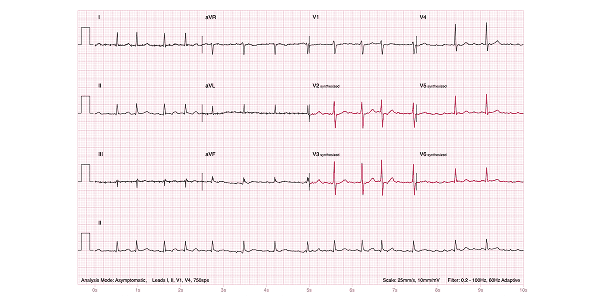
An electrocardiogram (EKG or ECG) is the most common and reliable test for arrhythmia detection.2 An EKG measures the heart’s electrical activity, showing whether the heart rhythm is regular, too fast, too slow, or erratic. However, a standard in-office EKG only captures a brief snapshot, just a few seconds of your heart’s rhythm, so if the arrhythmia isn’t happening at that moment, it may go undetected.
Can an Echocardiogram (Echo) Detect Arrhythmias?
An echocardiogram uses sound waves to produce moving images of the heart. While it can’t directly identify arrhythmias, it helps doctors evaluate heart structure, valve function, and pumping strength—factors that can contribute to rhythm issues.3
Can a Stress Test Detect Arrhythmias?
A stress test monitors the heart while exercising, making it useful when symptoms appear during physical activity. It can reveal arrhythmias triggered by exercise or show how well the heart handles exertion.4
Can Blood Tests Detect Arrhythmias?
Blood tests can’t diagnose arrhythmia directly, but they can reveal underlying causes such as electrolyte imbalances, thyroid disorders, or other metabolic conditions that may trigger irregular rhythms.5
Ambulatory Monitoring Devices
Because many arrhythmias are brief or unpredictable, doctors often prescribe extended monitoring tools (also called ambulatory monitoring devices) that record the heart’s rhythm over longer periods:
- Holter Monitor: A portable device worn for 24–48 hours that continuously records your heart rhythm.6
- Extended Holter Monitor: A small, patch-style device worn for up to 14 days that continuously records your heart rhythm. It offers longer monitoring than a standard Holter, improving the likelihood of detecting intermittent arrhythmia episodes.
- Event Recorder or Monitor: Worn for up to 30 days, this device captures heart rhythm data either automatically or when you trigger it during symptoms like palpitations or dizziness.7
- Implantable Loop Recorder (ILR): Implanted under the skin for long-term monitoring—sometimes for years—used when symptoms are very infrequent.
Identifying Arrhythmias at Home
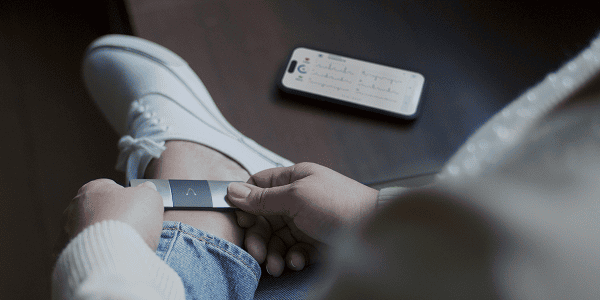
Modern technology makes it easier than ever to detect arrhythmias outside the clinic or doctor’s office. With medical-grade personal EKG monitors, you can detect even the most elusive arrhythmias right from your living room.
Handheld & Personal EKG Devices
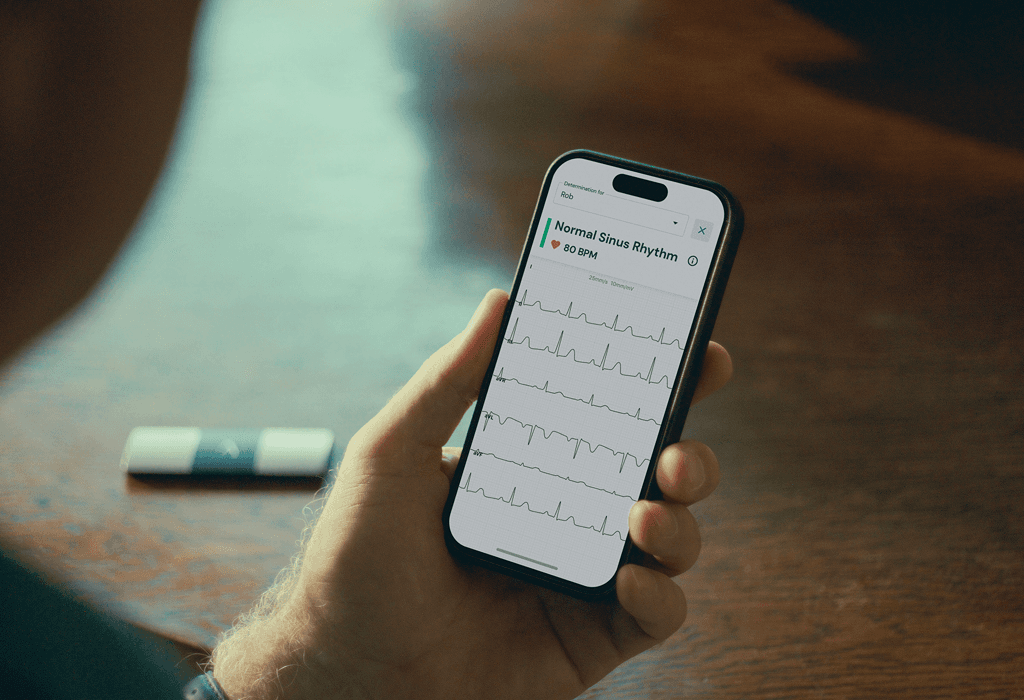
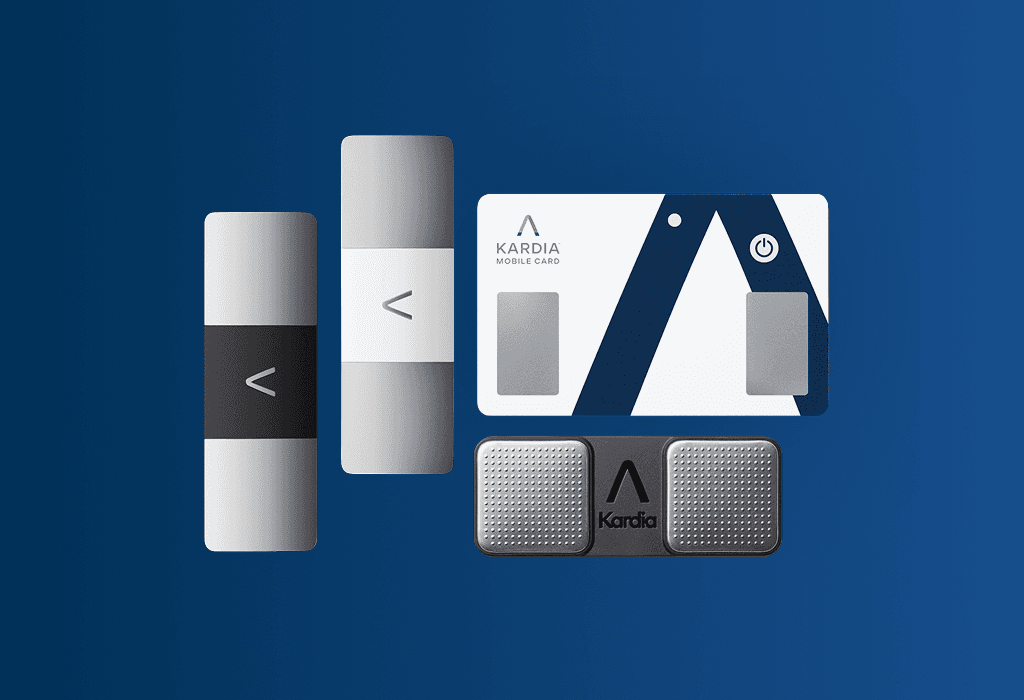
Handheld (or personal) EKG devices, like those from Kardia, bridge the gap between medical-grade accuracy and home convenience. These portable tools allow you to record an EKG in seconds—anytime, anywhere—making it easier to capture those fleeting episodes that might otherwise be missed.
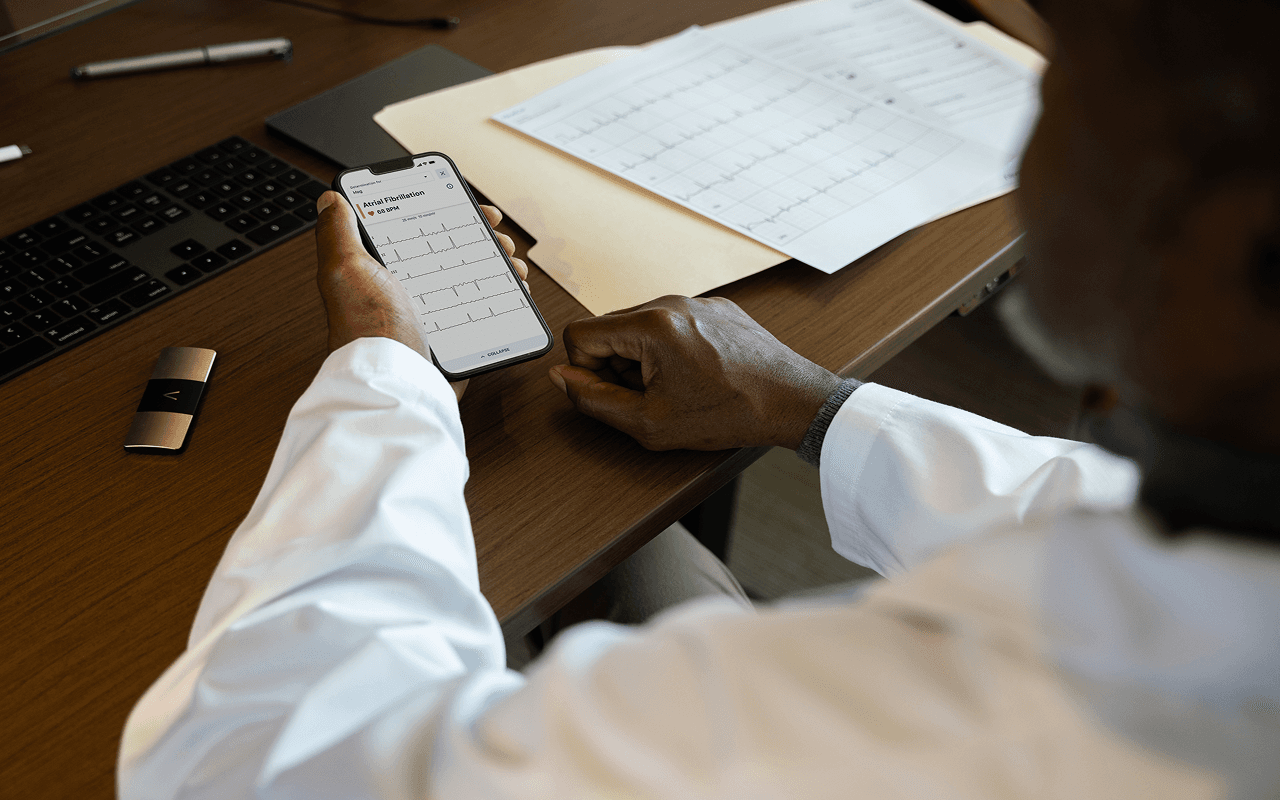
Kardia instantly records and analyzes EKGs for common arrhythmias like AFib, bradycardia, or tachycardia. With clinically validated accuracy and the option for remote access to a cardiologist, Kardia personal EKGs bring reliable arrhythmia detection directly to your smartphone or tablet.
Can Pulse Oximeters Detect Arrhythmias?
A pulse oximeter measures oxygen saturation and pulse rate through light absorption in the finger. While some hospital-grade models can show irregular pulse patterns, a pulse oximeter cannot detect arrhythmia in the diagnostic sense—it’s a screening tool, not a substitute for EKG-based rhythm recording.
Can Fitness Trackers Detect Arrhythmias?
Some fitness trackers and smartwatches use a light-based sensor (called photoplethysmography or PPG) that measures changes in blood flow to identify irregular pulse patterns. While helpful for screening, these sensors can be affected by motion, skin tone, or ambient light. They provide useful alerts, but do not record the heart’s electrical activity8, which doctors need to confirm an arrhythmia diagnosis.
Your Path to Timely Arrhythmia Detection
Because arrhythmias can be hard to catch, early and frequent rhythm checks are key to diagnosis and peace of mind. If you suspect an irregular heartbeat, consult your doctor about testing options, and consider incorporating a Kardia personal EKG into your routine. Clinically validated and easy to use, Kardia gives you the power to record, track, and share your heart data anytime, anywhere.
References
- 1. https://www.mayoclinic.org/diseases-conditions/atrial-fibrillation/symptoms-causes/syc-20350624
- 2. https://nyulangone.org/conditions/atrial-fibrillation-atrial-flutter/diagnosis
- 3. https://www.mayoclinic.org/tests-procedures/echocardiogram/about/pac-20393856
- 4. https://www.mayoclinic.org/tests-procedures/stress-test/about/pac-20385234
- 5. https://www.aurorahealthcare.org/services/heart-vascular/conditions/arrhythmia
- 6. https://www.heart.org/en/health-topics/atrial-fibrillation/treatment-and-prevention-of-atrial-fibrillation/afib-diagnosis0
- 7. https://www.mayoclinic.org/diseases-conditions/atrial-fibrillation/diagnosis-treatment/drc-20350630
- 8. https://www.mdpi.com/1424-8220/25/9/2848
Kardia personal EKGs do not check for heart attack and do not replace regular health checkups with your physician. Seek medical attention if you are experiencing any concerning symptoms or if you are having an emergency.