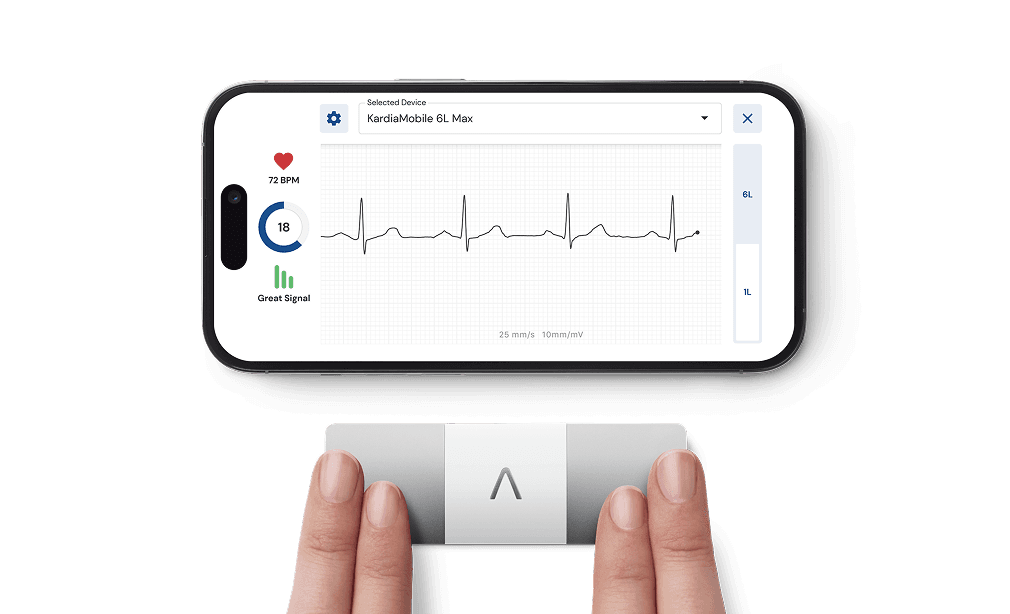



If you're managing a heart condition and have a trip coming up, here's what two experts want you to know: go for it. We sat down with Dr. Ben Green, a primary care physician, and Ashley Tryban, a certified health coach, to talk about how to travel well with a heart condition—prepared, confident, and ready to enjoy every moment.
Let's start with the big question. Is it safe for people with a heart condition to travel?
Ashley: Yes! So many people assume the answer is no, but a heart condition doesn't have to slow you down or hold you back. It's all about how you travel and building confidence in your care.
Dr. Green: I completely agree. Travel is generally a great thing for heart patients. You're more active, you're engaged, you're living your life. The patients who travel well are simply the ones who prepare.
So what does good preparation look like? Where does someone with a heart condition start?
Dr. Green: Medications—always. I actually have a personal story about this. My own father-in-law traveled to France and accidentally left his medications behind. Getting the right refill abroad turned into a really stressful situation that could have been easily avoided. Bring more than you think you need, know that your specific formulation may not be available in another country, and if you're crossing time zones, ask your doctor about adjusting your dosing schedule.
Ashley: I see the same thing come up with my clients. Medications are an item people are likely to either forget or underestimate. I always tell them: have a photo of your full medication list on your phone and a printed copy in your carry-on. You may even decide to pack your medications in your carry-on, too. Same with your emergency contacts and a basic medical history. If something happens and you can't speak for yourself, that information is everything.
What else should people be doing before they leave?
Ashley: Tell your care team. I know that sounds basic, but it's something a lot of people skip. Before any trip, my clients and I talk about what their plan looks like if they feel off while traveling: who do they call, what do they do first. Having that plan brings people a lot of peace of mind and can make all the difference if something happens while they're away.
Dr. Green: That's exactly right. I want to know their itinerary: long flights, time zone changes, back-to-back travel days. I also want them to leave with two things: a clear medication plan and a clear action plan. Getting healthcare abroad can be challenging. A plan made in advance is worth far more than one made in the moment.
Let's talk about the environment. Does where you're traveling actually affect your heart?
Dr. Green: Yes, more than most people expect. In the heat, your heart rate rises and you can lose water quickly without even feeling like you're sweating. At altitude, oxygen levels drop and your heart works harder. Give yourself time to adjust before any strenuous activity. Humidity is underestimated too, especially for people managing AFib. It puts real added stress on the heart.
Ashley: What I love about what Dr. Green just said is that none of it is a reason not to go somewhere. It's just a reason to go prepared. I tell my clients: Good walking shoes and your water bottle are key parts of your daily outfit. I always travel with easy electrolyte packs too. If it's hot out, visit a museum or go shopping to take breaks indoors. Those intentional changes make a difference, and they don't get in the way of having a great trip.
What about staying well once you're on the trip and out of your usual routine?
Ashley: This is where I spend a lot of time with clients. Travel has a way of making us feel like the normal rules don't apply—and honestly, that's part of the fun. But a few habits are worth holding onto. Sleep is a big one. Your heart recovers during rest, and skimping on sleep catches up with you fast. Keep your room cool and dark, stay close to your normal schedule, and give yourself permission to rest when you need it.
Food is another one. I'm not telling anyone to skip the pasta in Rome—I would never! But eating out every meal means sodium adds up faster than you'd think, and that puts extra strain on your heart. Enjoy everything. Just pace yourself, keep moderation in mind, and don't forget fiber!
Dr. Green: I'd add one that may surprise people: blood clots. Long flights, roadtrips, train rides mean a lot of time sitting. And that can carry a real risk of blood clots in people of all ages, not just those with heart conditions. Get up, walk around, and stretch regularly throughout any long journey. It sounds simple, but it matters.
What do you tell someone who feels something unfamiliar while they're traveling—a flutter, lightheadedness, a moment of breathlessness?
Dr. Green: First, don't panic. Take a break to check in with your body. If you have a personal EKG device with you, use it. If you have a blood pressure cuff with you, use it. That data gives you real information to act on and that alone can help calm everything down.
Then refer back to the plan you put in place with your care team. Of course, if you think you are experiencing a life threatening situation, you should always contact emergency services.
Ashley: And there's also the emotional piece. Anxiety about your heart can sometimes feel worse than the condition itself. What I coach my clients on is coming back to what they know. You've prepared. You have a plan. You have tools, like a personal EKG or blood pressure cuff. If something does need attention, you're not guessing—you have data. That distinction, between feeling something and knowing something, can make a big difference.
Lastly, what do you want people with heart conditions to take away from this conversation?
Dr. Green: That preparation is what makes enjoyable, heart-safe travel possible. Patients who prepare well don't just travel safely, they travel freely. And that's always the goal.
Ashley: I've worked with people who waited years to travel again after a diagnosis. So many come back and say the same thing: I wish I hadn't waited so long. So do the prep work, but don't wait. You are not your diagnosis. You belong on this trip.
Ready to travel with confidence? Let
Kardia
help you stay prepared.


This content is for informational purposes only and does not replace medical advice from your physician. Seek medical attention if you are experiencing any concerning symptoms or if you are having an emergency.